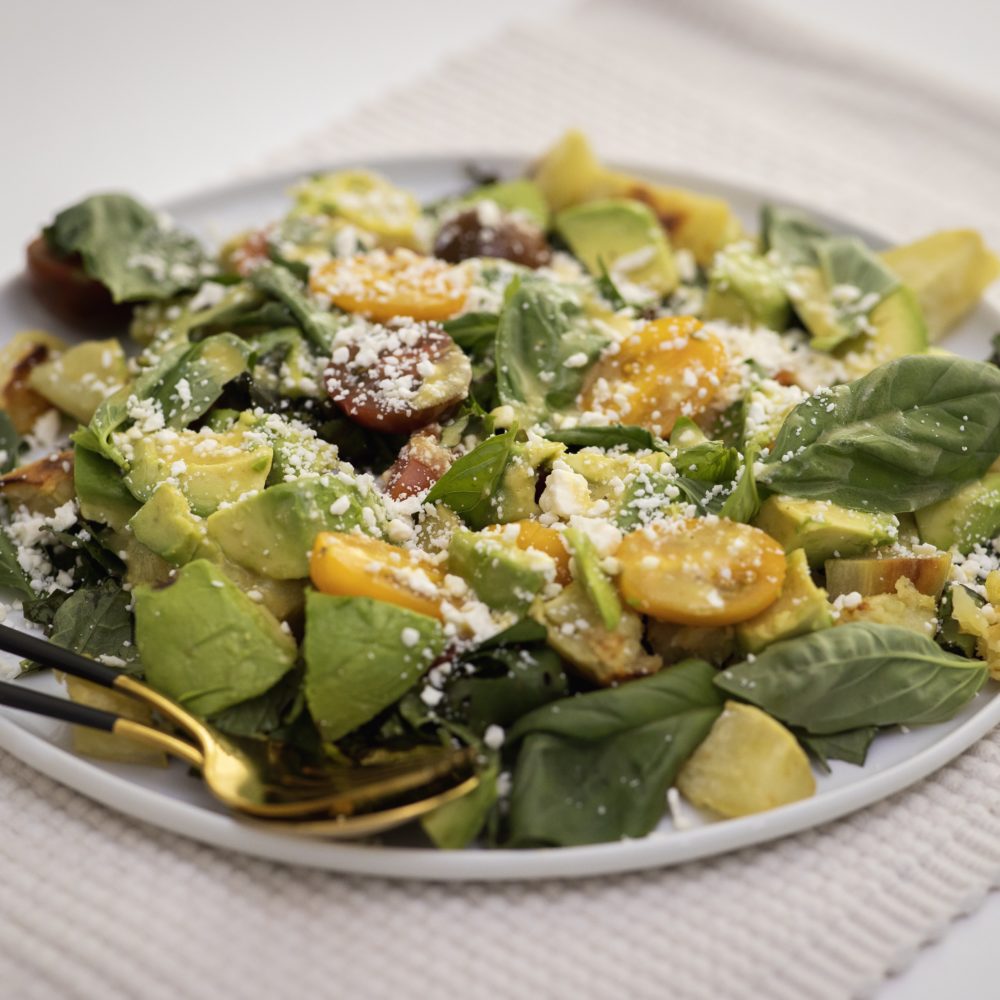
If you’ve ever wondered what are sour sour leaves, or how to turn them into something fresh, vibrant, and unexpectedly comforting, this sour leaves recipe is for you. This sorrel (also known as ngayi ngayi) salad is not your typical summer salad — and that’s exactly why I love it.
It’s bright without being sharp. Bold without being heavy. And deeply rooted in the flavors I grew up with, even though it shows up here in a completely different form.
This salad brings together fresh sorrel leaves, roasted sweet potatoes, basil, avocado, tomatoes, and a simple sour leaves salad dressing made with mustard and honey. It’s a dish that feels familiar if you grew up eating African greens — and exciting if you didn’t.
Let’s talk about sour leaves, where they come from, how they’re traditionally used, and why eating them raw might surprise you in the best way.
What Are Sour Sour Leaves?
Let’s start here, because this is one of the most common questions I get: what are sour sour leaves?
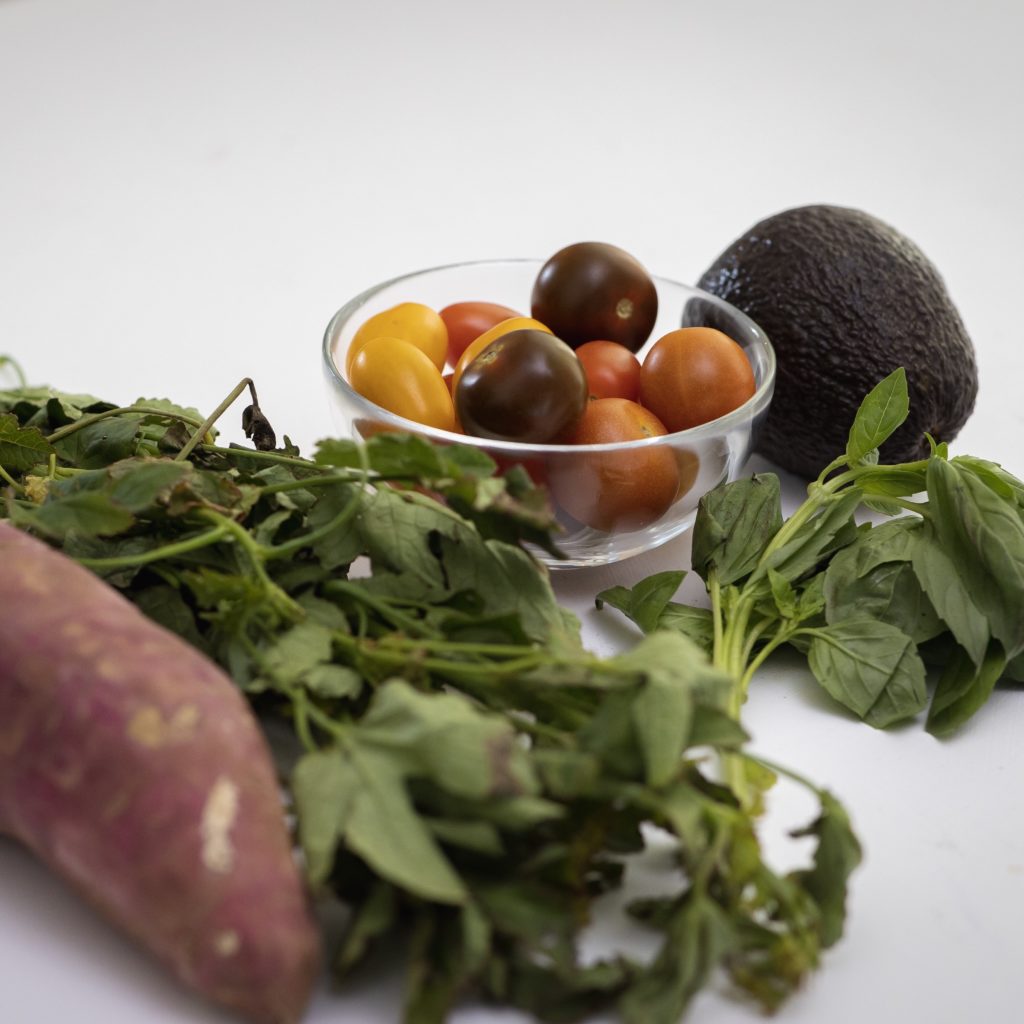
Sour sour leaves are leafy greens known for their naturally acidic, lemony taste. In many parts of Africa, especially Central and West Africa, they’re called ngayi ngayi (bush, ossicle, etc). In other regions, they’re known as sorrel leaves.
They come in different shapes and colors — some green, some reddish — and they all share that signature tang that wakes up your palate. The acidity is natural, not aggressive, and it’s what makes these leaves so special.
If you’ve never tasted them before, imagine something between lemon, green apple, and spinach — but softer and more herbal.
Is Sorrel and Sour Sour Leaves the Same Thing?
This question deserves its own moment: is sorrel and sour sour leaves the same thing?
Short answer: yes — with context.
In many African households, sorrel and sour sour leaves refer to the same plant or very close varieties. However, globally, “sorrel” can mean different things depending on where you are.
- In African and Caribbean cooking, sorrel usually refers to sour leafy greens.
- In Europe, sorrel is also used as an herb in soups and sauces.
- In the Caribbean, “sorrel” can also mean hibiscus flowers used for drinks — which is a completely different thing.
So when we talk about sorrel here, we mean leafy sour greens, not flowers or drinks.
This recipe stays true to how these leaves are used in African cooking — just in a lighter, fresher way.
Growing Up with Sour Leaves
In Congo, where I grew up, sour leaves were never eaten raw.
We boiled them with very little water until they wilted completely. Then we mashed them with a wooden spoon — slowly, patiently. From there, anything could happen: dry fish, onions, tomatoes, palm oil, sometimes just water and salt.
That dish, served with fufu, is still one of my favorite meals to this day. Sour leaves and dry fish together? Unmatched.
So when I first tasted sour leaves raw, I was honestly surprised. I didn’t expect to like them this way — but I did. They were bright, refreshing, and lighter than their cooked version, while still keeping their personality.
This sour leaves recipe was born from that moment of curiosity.
Why This Sour Leaves Recipe Works as a Salad
When I make this salad at home, I keep everything very simple — a sharp knife, a big mixing bowl, and good-quality pantry staples. I’ve linked a few of the tools and flavor essentials I personally use in my Amazon storefront, especially things like olive oil, mustard, and prep tools that make everyday cooking feel easier and more intentional. Nothing fancy — just things I actually reach for in my kitchen.
Sour leaves are powerful. On their own, they can feel sharp. That’s why balance matters.
This salad works because every ingredient has a role:
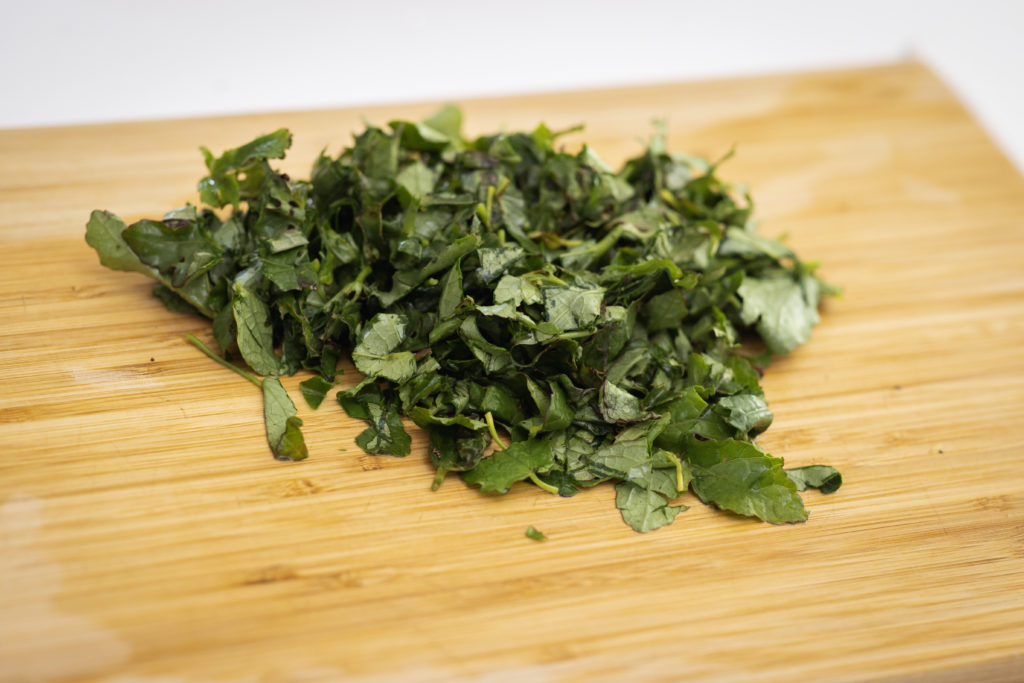
- Sorrel (sour leaves) bring acidity
- Basil softens and rounds out the flavor
- Sweet potatoes add warmth and structure
- Avocado brings creaminess
- Tomatoes add freshness and color
- Mustard dressing ties everything together
Without basil, the salad would be too acidic. Basil is not optional here — it’s essential.
Where Can You Find Sour Leaves?
If you’re wondering where to buy sour leaves, you’re not alone.
They’re not common in mainstream American grocery stores, but you can find them:
- At local farmers’ markets
- In African, Caribbean, or Asian grocery stores
- Occasionally grown by small local farmers
Ask for sour leaves, sorrel leaves, or ngayi ngayi. You may need to explain what you’re looking for — but once you find them, a little goes a long way.
Choosing the Right Sweet Potato
This recipe uses white or purple sweet potatoes, not orange.
Do you have to? No.
But here’s why I prefer them:
- They’re less sweet
- Their texture is drier
- They balance the acidity of the sour leaves better
Orange sweet potatoes will work, but they’ll make the salad sweeter overall.
When prepping them, keep them in salted water to prevent oxidation. If they turn slightly grey, don’t panic — they’re still perfectly fine.
Roasting the Sweet Potatoes
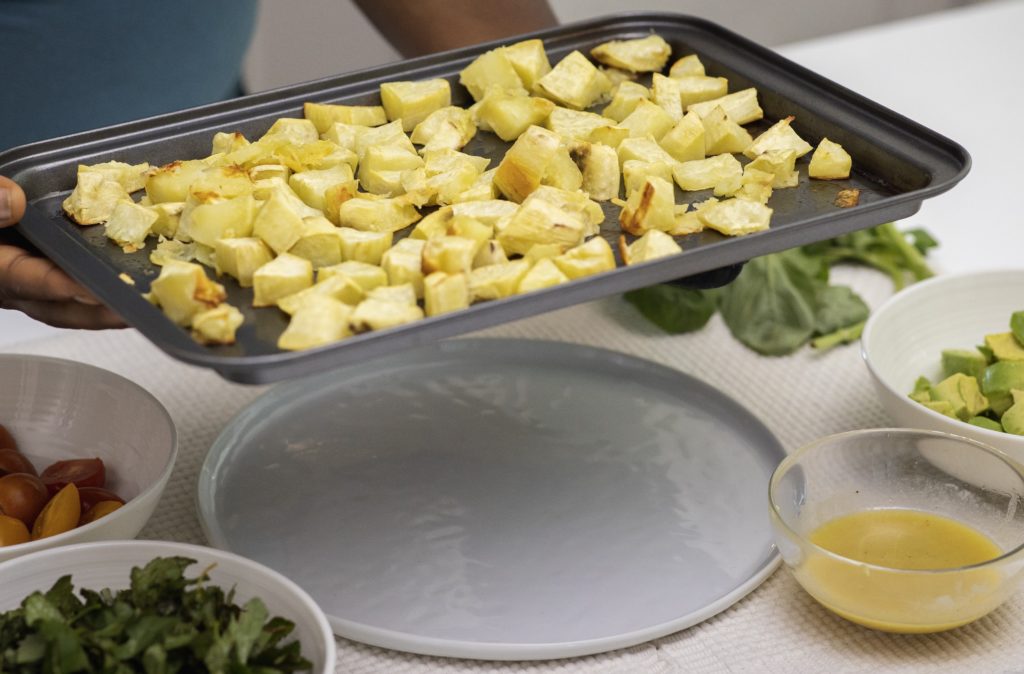
Roasting adds depth. Boiling would dilute the flavor.
Spread them on a baking sheet in a single layer, drizzle with olive oil, and roast until golden and tender. Let them cool completely before assembling the salad — warm potatoes will wilt the greens.
The Role of Basil, Tomatoes, and Avocado
Let’s talk about balance.
Basil is the quiet hero of this dish. It smooths out the sharpness of the sour leaves and makes the salad feel complete.
Tomatoes bring juiciness and color — they naturally belong here.
Avocado adds that soft, buttery texture that makes every bite feel intentional instead of aggressive.
Sour Leaves Salad Dressing: Simple but Intentional
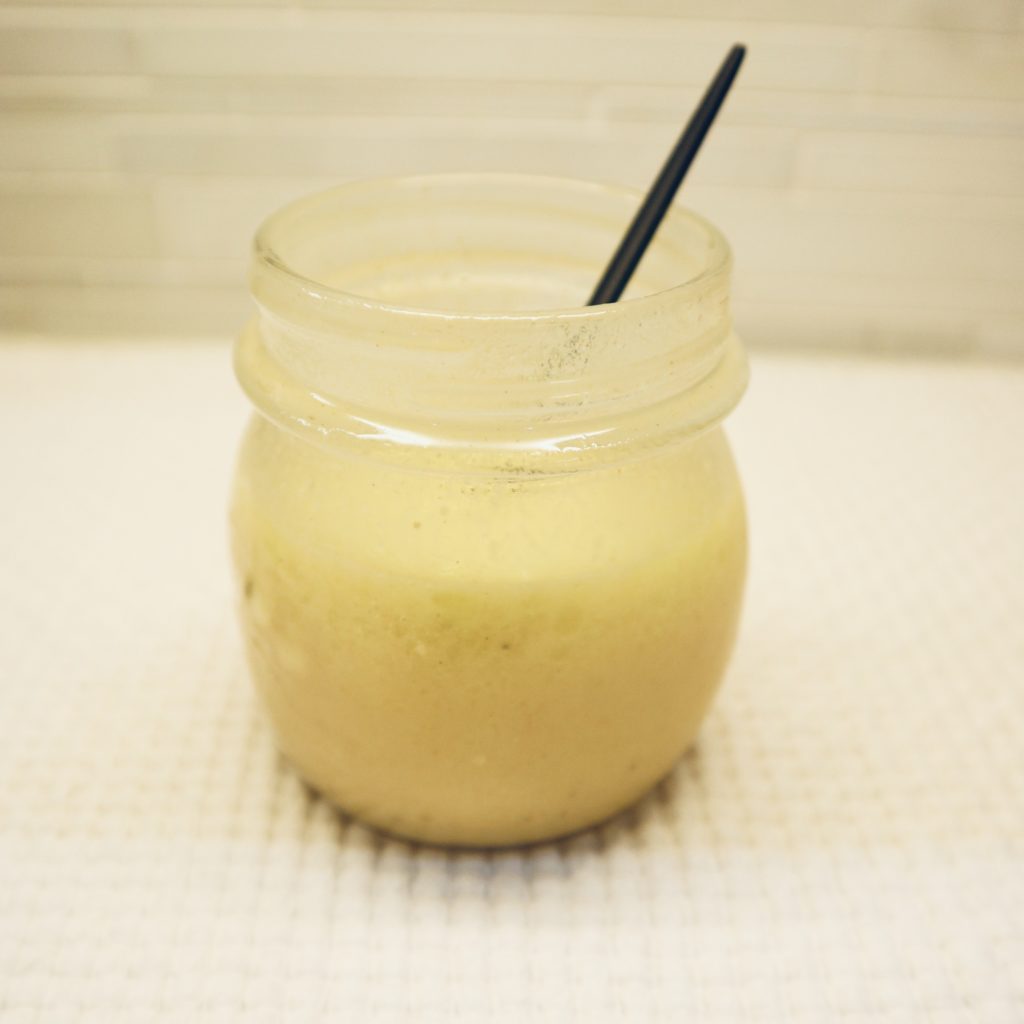
This sour leaves salad dressing is a classic vinaigrette — nothing fancy, nothing overpowering.
- Mustard
- Honey
- White wine vinegar
- Extra virgin olive oil
- Salt and pepper
The mustard gives structure. The honey softens the acidity. The vinegar echoes the sour leaves without competing with them.
Shake it in a jar. Taste it. Adjust if needed.
That’s it.
How to Assemble the Salad
Once everything is prepped and cooled:
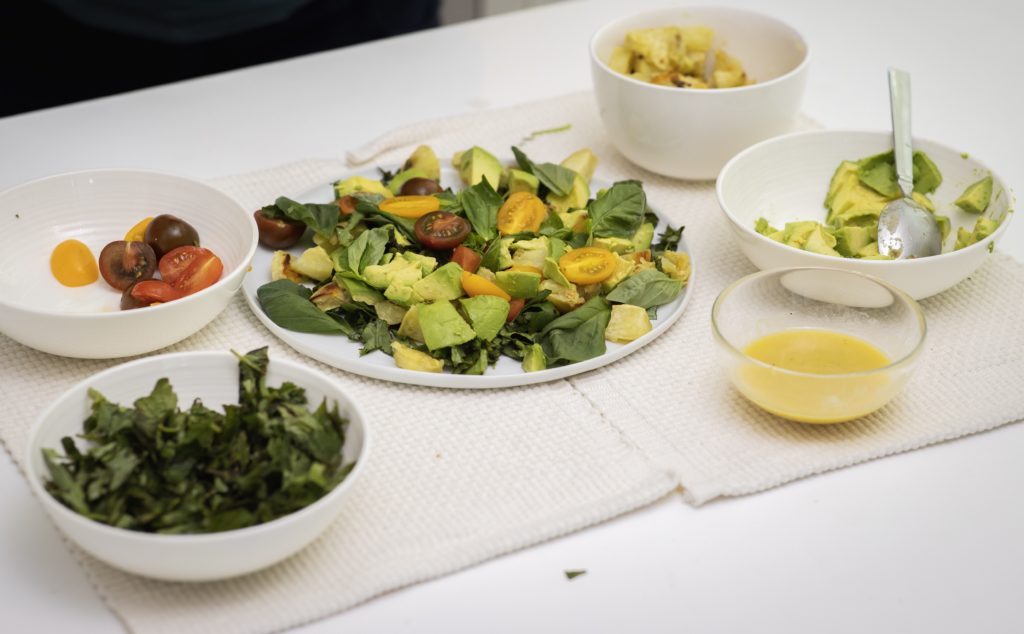
- Add the roasted sweet potatoes to a large bowl
- Gently fold in sour leaves, basil, tomatoes, and avocado
- Drizzle with dressing — start light
- Toss gently
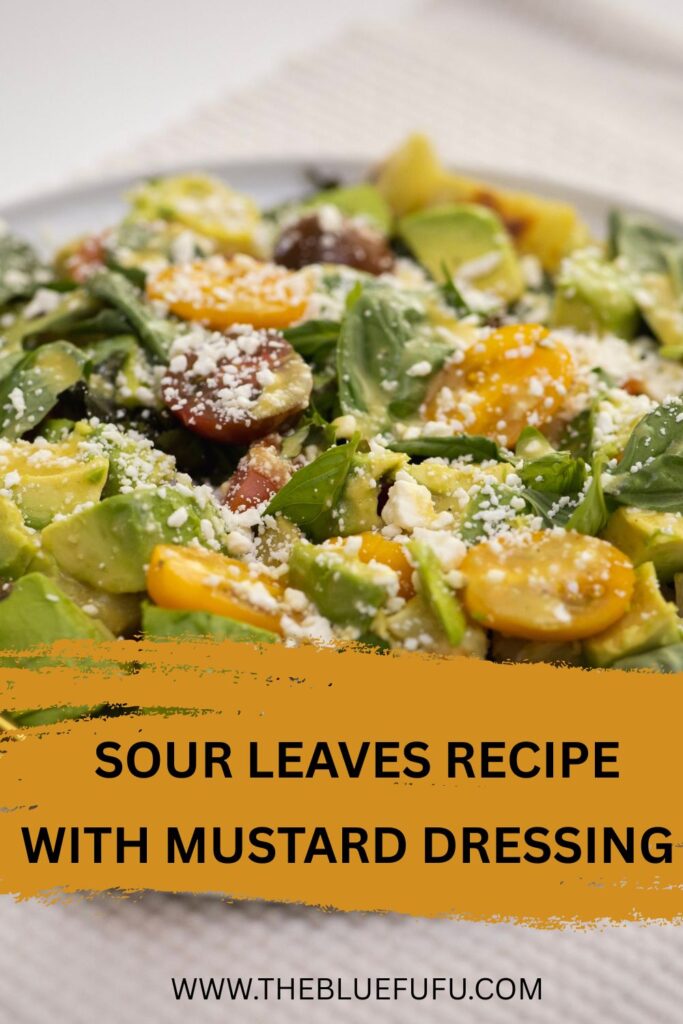
- Finish with feta if using
This salad is best eaten fresh, at room temperature.
How to Serve This Sour Leaves Recipe
This salad works beautifully as:
- A light lunch
- A side dish for grilled fish or chicken
- A refreshing contrast to richer African stews
- A vegetarian main with crusty bread
It’s also a great way to introduce sour leaves to people who’ve never had them before.
Frequently Asked Questions
Are sour leaves healthy?
Yes. They’re rich in vitamins, antioxidants, and naturally support digestion thanks to their acidity.
Can I cook sour leaves instead?
Absolutely. That’s the traditional way. This recipe just explores them raw.
Can I make this salad ahead of time?
You can prep everything in advance, but assemble just before serving.
More Recipes You’ll Love from The Blue Fufu
If this sour leaves recipe speaks to you, try these next:
- Chickpeas Salad with Pickled Onions – fresh, bold, and satisfying
- Easy Mango Salad with Feta – sweet, salty, and vibrant
- Tabouli Salad with Salmon – a hearty twist on a classic
- Black Rice Salad with Shrimp and Avocado – elegant and nourishing
Sour Leaves Health Benefits: Why These Greens Are Worth Cooking With
Beyond their bold, tangy flavor, sour leaves come with real nutritional benefits. In many African households, they’ve long been appreciated not just for taste, but for how they make you feel after eating them.
Sour leaves are naturally rich in:
- Vitamin C, which supports immune health
- Antioxidants, which help fight inflammation
- Fiber, supporting digestion
- Plant compounds that may help regulate blood sugar
Their natural acidity can also help stimulate digestion, which is one reason they’re often paired with heavier dishes like fufu and stews. You’ll notice that sour leaves don’t sit heavy — they brighten the plate and balance richer flavors.
According to nutritional research on sorrel leaves, these greens have been traditionally used in many cultures to support digestion and overall wellness. You can read more about the health benefits of sorrel leaves here:
👉 Healthline – Sorrel: Nutrition, Benefits, and Uses
https://www.healthline.com/nutrition/sorrel
This is one of those ingredients where tradition and nutrition meet quietly — no superfood hype, just real food doing what it’s always done.
Final Thoughts
This salad is a reminder that traditional ingredients don’t have to stay in one lane.
Sour leaves can be cooked, mashed, simmered — or eaten fresh, bright, and modern. Both versions are valid. Both are delicious.
If you grew up with ngayi ngayi, this might surprise you.
If you didn’t, this might introduce you to a new favorite.
Either way, I hope this sour leaves recipe finds a place at your table.
Print
Sorrel (Ngayi ngayi) salad
- Prep Time: 10 min
- Cook Time: 30 min
- Total Time: 40 min
- Yield: 4 1x
- Category: Dinner, Lunch
- Method: Baking
- Cuisine: world
- Diet: Vegetarian
Description
A perfect summer salad made with green sorrel leaves.
Ingredients
- 1 big purple sweet potato (diced)
- 2 avocadoes (diced)
- 1 cup of cherries tomatoes halves
- 1 cup of basil leaves
- 1 cup of fresh sorrel chopped
- Feta cheese (optional)
Dressing
- ¼ cup of vinegar
- 2/3 cup of extra virgin olive oil
- 1 tsp of mustard
- 1 tsp of honey
- A pinch of salt & pepper
Instructions
For the dressing:
Put all of your ingredients in a small jar and shake it well. Put it aside.
For the salad:
- Preheat your oven at 375 F
- Peel the sweet potato and cut it in small pieces
- In a bowl, cover your sweet potatoes with water and 1 tbsp of salt
- Put the sweet potatoes on a baking sheet and drizzle them with olive oil
- Put them in the oven for 20-25 min
- They should be slightly brown
- Take them out the oven and let them get to room temperature
- Put all of your ingredients in a big bowl and drizzle it with your dressing.
Thanks for introducing me to sorrel leaves! I am seriously addicted to this salad now.
I have never heard of sorrel before. This looks really good and the dressing sounds so yummy.
I will be sure to check for these ingredients on my next trip to the International market! Thanks for introducing me to them.
Oh yum! I have to try this salad. Growing up in Asian, I don’t think I was exposed to sorrel; however, the ingredients in this salad combined with the dressing make this looks so refreshingly good.
Oooh I love the sweet potato + feta cheese combo! I bet that’s delicious together.
I really wanted to try Sorrel leaves but could not find anywhere in the UK? So made with baby spinach leaves instead. Came out beautiful.
I am glad you like it!
What a delicious salad! I absolutely love sorrel and find that it’s so underrated. And truly can’t go wrong with a simple, basic vinaigrette so that other ingredients have a chance to stand out. This was delicious!
I love this salad. Thank you
thx!
Looks like a delicious way to use sorrel!
thank you!
I love sorrel! This salad is so unique! I can’t wait to make it.