
Homemade food coloring for baking, play dough, eggs, and frosting is one of those simple kitchen ideas that feels both nostalgic and intentional. In a world where bright artificial dyes are everywhere, making your own natural food coloring at home feels like slowing down — choosing ingredients you recognize, colors that feel soft and real, and food that’s meant to be enjoyed without worry.
I started experimenting with homemade food coloring out of curiosity, but it quickly became part of my everyday cooking and baking. From tinting frosting naturally to coloring play dough with my kids, and even using beets to make red fufu, this is one of those techniques that quietly transforms how you approach food at home.
If you’ve ever wondered how to make homemade food coloring using real ingredients — without complicated steps or special tools — this guide is for you.
Why Choose Homemade Food Coloring?
Homemade food coloring isn’t about loud, artificial shades. Instead, it’s about intention, warmth, and using real ingredients to enhance food naturally. These colors feel grounded, earthy, and honest — the kind that belong in both everyday cooking and special recipes.
I love using natural food coloring not only for baking, but also for traditional dishes like red fufu, where beet coloring gives the fufu its beautiful deep red tone without artificial dyes. It’s a perfect example of how homemade coloring can be used beyond desserts, adding color while keeping the recipe rooted in real, whole ingredients.
Natural food coloring also works beautifully in delicate desserts like French crêpes, where soft hues pair effortlessly with fruit fillings, and in buttery French sablés, where gentle creams and pale golden tones complement the texture rather than overpower it.
Whether you’re cooking a comforting savory dish or baking something sweet, homemade food coloring allows the ingredients to shine — subtly, naturally, and beautifully.
What Is Homemade Food Coloring?
Homemade food coloring is simply color extracted from fruits, vegetables, spices, and natural ingredients. Instead of synthetic dyes, you use ingredients like beets, turmeric, spinach, blueberries, or cocoa powder to create color.
The result isn’t neon — and that’s the beauty of it.
These colors are softer, more organic, and often come with added flavor and nutrients. They work best in recipes where you want warmth, depth, and a handmade feel.
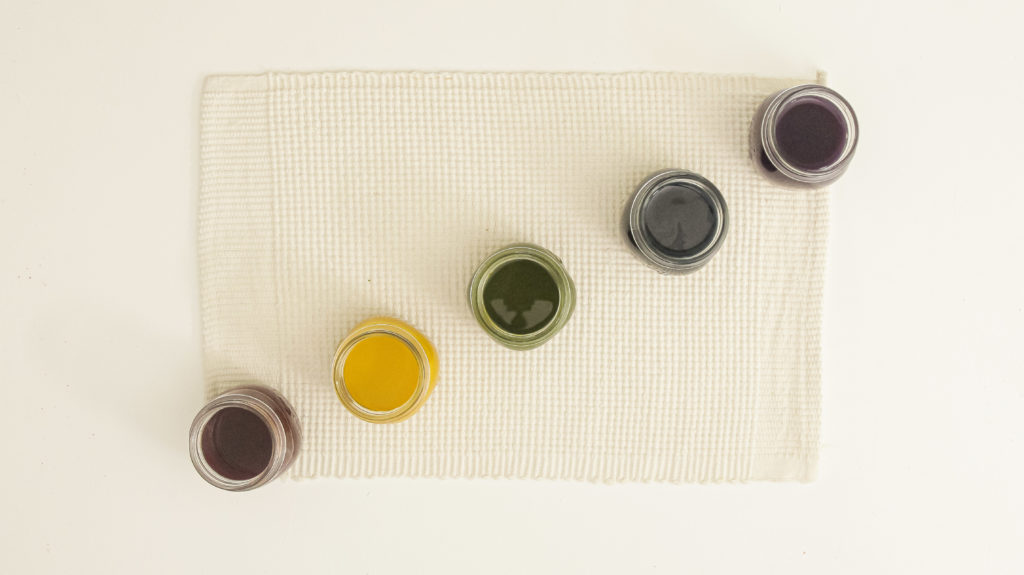
Ingredients Commonly Used for Homemade Natural Food Coloring
You likely already have many of these ingredients in your kitchen.
Red and Pink
- Beets (fresh or cooked)
- Raspberries
- Strawberries
- Pomegranate juice
Yellow and Orange
- Turmeric
- Carrots
- Pumpkin purée
- Sweet potatoes
Green
- Spinach
- Kale
- Matcha powder
- Parsley
Blue and Purple
- Blueberries
- Red cabbage
- Blackberries
Brown
- Cocoa powder
- Coffee
- Cinnamon
Each ingredient brings its own tone and personality — and that’s what makes homemade food coloring so special.
How to Make Homemade Food Coloring (Basic Method)
How to Make Homemade Food Coloring (Basic Method)
The process is simple and forgiving.
- Cook or blend the ingredient
Chop your fruit or vegetable and simmer it with a small amount of water, or blend it raw if it’s juicy. - Strain the liquid
Use a fine mesh strainer or cheesecloth to extract the colored liquid. - Reduce if needed
Simmer the liquid until slightly thickened for a more concentrated color. - Cool and store
Let it cool completely and store in a small glass jar in the fridge for up to one week.
That’s it.
Using Homemade Food Coloring for Baking

This is where homemade food coloring really shines.
Frosting and Icing
Natural coloring works beautifully in buttercream, cream cheese frosting, and glazes. Start with a few drops and build slowly — the color deepens as it sits.
Soft pinks from berries, pale yellow from turmeric, and gentle green from spinach are perfect for:
- Cakes
- Cupcakes
- Holiday desserts
- Cookies
These tones feel elegant and intentional, especially during holidays when everything feels a little more special.
Homemade Food Coloring for Cookies and Dough
If you love baking cookies with your kids, homemade food coloring is a game-changer.
It works especially well in:
- Sugar cookies
- French sablés
- Shortbread-style doughs
Because these doughs are light in color, they take on natural hues beautifully without needing much pigment.
The result? Cookies that feel festive but still refined.
Coloring Play Dough Naturally
One of my favorite uses for homemade food coloring is play dough.
If you make play dough at home, you already know how comforting that activity is — flour, salt, water, oil, and little hands helping.
Using natural food coloring means:
- No stains on hands
- No worries if kids taste it
- Softer, muted colors that feel calming
Turmeric for yellow, beet juice for pink, and spinach water for green work wonderfully here.
Naturally Colored Eggs for Holidays
Homemade food coloring is also perfect for coloring eggs — especially around Easter or spring celebrations.
Beets create soft blush tones
Red cabbage turns eggs blue
Turmeric gives warm golden shades
The process takes longer than artificial dye, but the results are stunning and timeless.
Homemade Food Coloring for Savory Dishes
This is where people are often surprised.
Natural food coloring isn’t only for sweets.
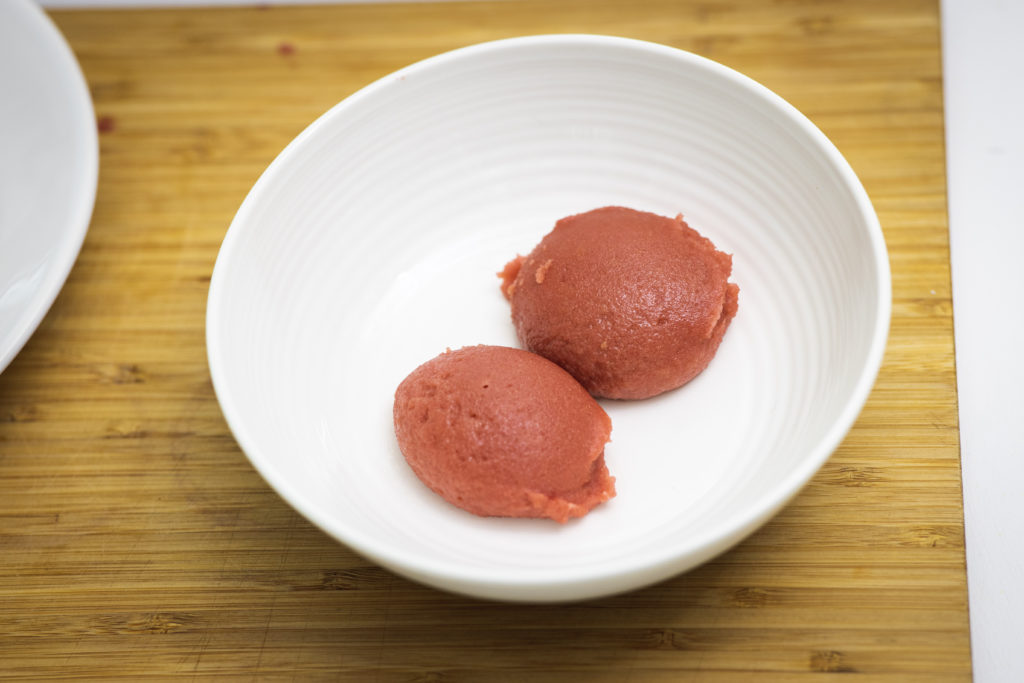
I use beet coloring to make red fufu, a traditional dish where color matters just as much as texture. The beets give the fufu its signature red hue while staying true to whole ingredients and cultural roots.
It’s proof that homemade food coloring belongs just as much in savory cooking as it does in baking.
Tips for Success with Natural Food Coloring
- Start small and build color gradually
- Expect softer shades — not neon
- Store colors in airtight glass containers
- Use within a week for best results
- Stir before using, as natural pigments settle
Tools That Make It Easier (Amazon Storefront Picks)
If you want to make this process smoother, a few kitchen tools really help:
- Fine mesh strainer
- Small glass jars with lids
- Silicone spatulas
- Mini saucepans
- Piping bags for frosting
You can find my favorite, tried-and-true kitchen tools linked in my Amazon storefront, where I share everything I actually use in my own kitchen.
Recipes From the Blog That Pair Beautifully With Homemade Food Coloring
If you want to start experimenting right away, these recipes from the blog are perfect:
- Red fufu recipe — a beautiful savory example using beet coloring
- French crêpes — ideal for soft, naturally tinted fillings
- French sablés — buttery cookies that shine with gentle, natural hues
Each one lets homemade food coloring feel purposeful, not decorative.
Final Thoughts
Homemade food coloring for baking, play dough, eggs, and frosting is one of those small kitchen shifts that changes everything. It brings intention back into cooking. It encourages creativity without excess. And it reminds us that food doesn’t have to be loud to be beautiful.
Whether you’re baking with your kids, preparing holiday desserts, or cooking traditional dishes like red fufu, natural food coloring allows you to color your food — and your memories — gently, thoughtfully, and with care.
And once you start, it’s hard to go back.
Print
Homemade natural food colouring
- Prep Time: 10 min
- Cook Time: 25 min
- Total Time: 35 min
- Category: Condiments
- Method: Boiling
- Cuisine: world
Description
These homemade food colorings are made using simple, natural ingredients you likely already recognize. They’re perfect for baking, frosting, play dough, eggs, and even savory dishes like red fufu. Soft, earthy, and free from artificial dyes, these colors bring intention and beauty to your cooking.
Ingredients
Red Food Coloring
-
3 beets, peeled and roughly chopped
Yellow Food Coloring
-
1 tablespoon turmeric
-
½ cup water
Purple Food Coloring
-
1 red cabbage, roughly chopped
Green Food Coloring
-
1 bunch spinach
Blue Food Coloring
-
Purple cabbage liquid
-
¼ tablespoon baking soda
Instructions
-
Prepare the vegetables
Roughly chop the beets, red cabbage, and spinach. Place each vegetable in a separate small saucepan with 2 cups of water. -
Simmer
Bring each saucepan to a boil over medium-high heat. Reduce to a gentle simmer and cook for about 25 minutes, allowing the color to fully extract into the water. -
Blend and strain
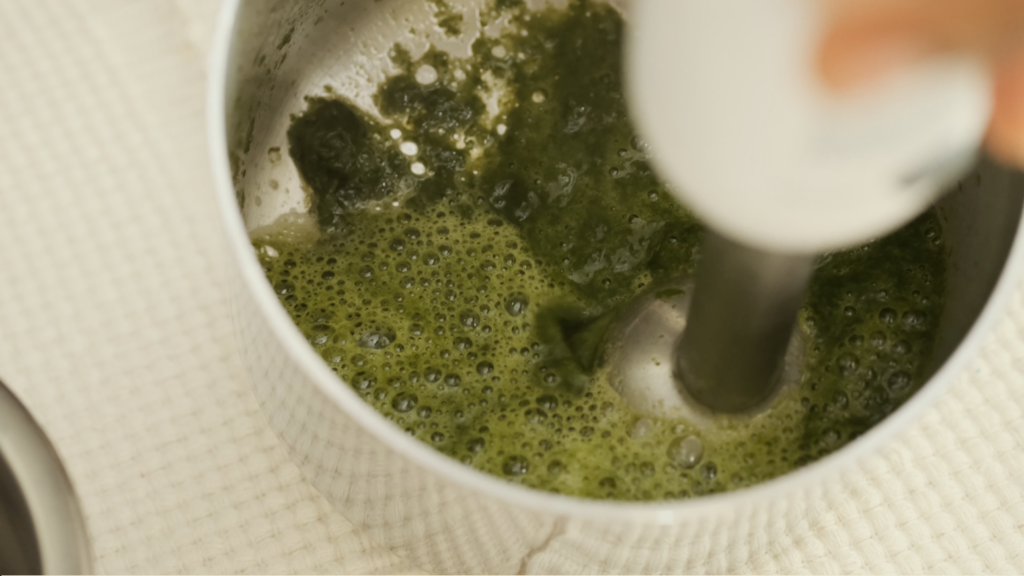
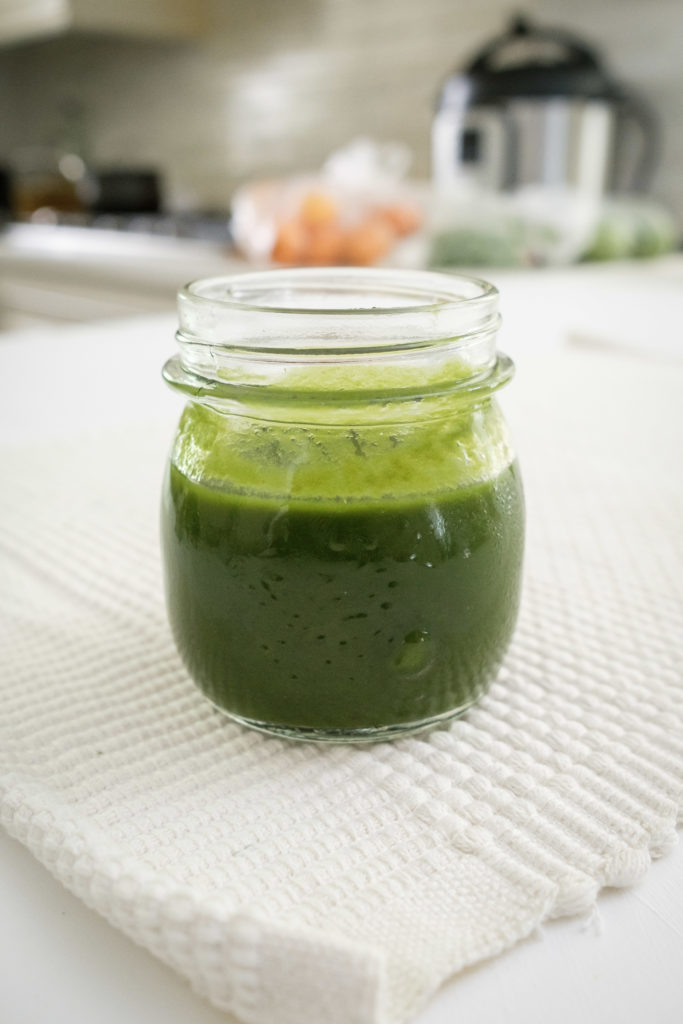
Transfer the cooked vegetables along with their liquid to a blender and blend until smooth. Strain through a fine-mesh sieve or cheesecloth, then pour the liquid into clean jars. -
Purple food coloring
For a deeper purple color, return the strained cabbage liquid to the stove and simmer until it reduces slightly and reaches a syrupy consistency. -
Blue food coloring
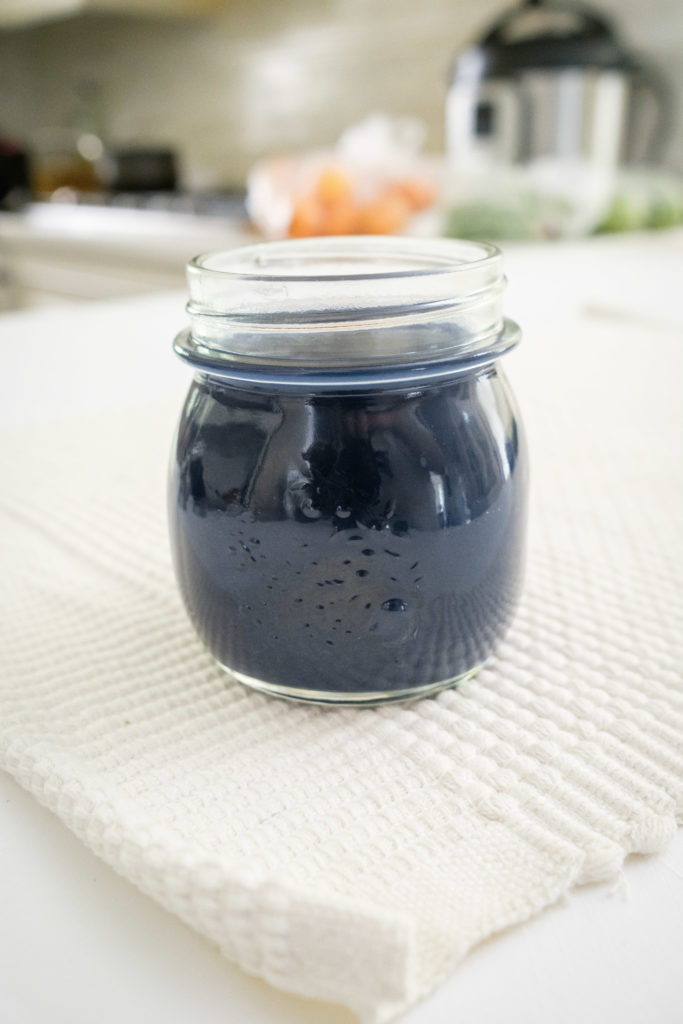
To transform the purple cabbage coloring into blue, stir in the baking soda gradually. Watch the color shift as the liquid changes from purple to blue. -
Yellow food coloring
In a small saucepan, combine the turmeric and water. Simmer gently for 10 minutes, then remove from the heat and allow it to cool completely before using.
Notes
Natural food coloring creates soft, muted tones, not bright artificial shades.
Always test a small amount first when coloring frosting, dough, or batter.
These colorings work beautifully for baking, play-dough, eggs, and traditional dishes like red fufu.
Storage
- Store in airtight containers in the refrigerator for up to 5 days.
- Shake well before using, especially turmeric-based coloring.
Originally posted on July 28, 2020
You might also like:
Chickpeas salad with pickled onions recipe
Chicken Yassa with rice recipe

Super ça marche très bien!
Super! Je suis contente!
Es que cela.ne donnera pas un goût au masepain fait maison?
Pour quelle couleur precisement?
Hello,
Is it good to mix these coloured liquid with butter or whipping cream to make cake decorations? Will they be too watery? Cheers.
Yes, you can mix it with whipping cream or butter. By using a couple of spoons, you will get pastel colors.
Bonjour,
Je voudrais savoir si les colorants sont Halal ? Je veux essayer pour mes bonbons.
Merci
Bonjour madame,
Comme vous pouvez le constater les colorants sont fait à base de legumes ou fruits. Je ne m’y connais pas en nourriture halal donc c’est à vous de le determiner.
Merci et bonne journée.
We are hosting a little Cookies for Santa party with our kids. This post was super helpful as we avoid artificial dyes these days. Thank you!
You are welcome!
Amazing! I only use food coloring when I cook for the holidays and this year I decided to use natural options. So useful, thank you!
so much healthier. Thank you!
Thank you so much for sharing!!! I can taste the food coloring in many recipes and it’s not always a good experience! Your recipes have given me the solution!!! ❤️
Glad to hear. Thank you!
This is so helpful! Been wanting to avoid store-bought dyes for my kids. Tried the beet one for frosting and it worked great.
Thank you!