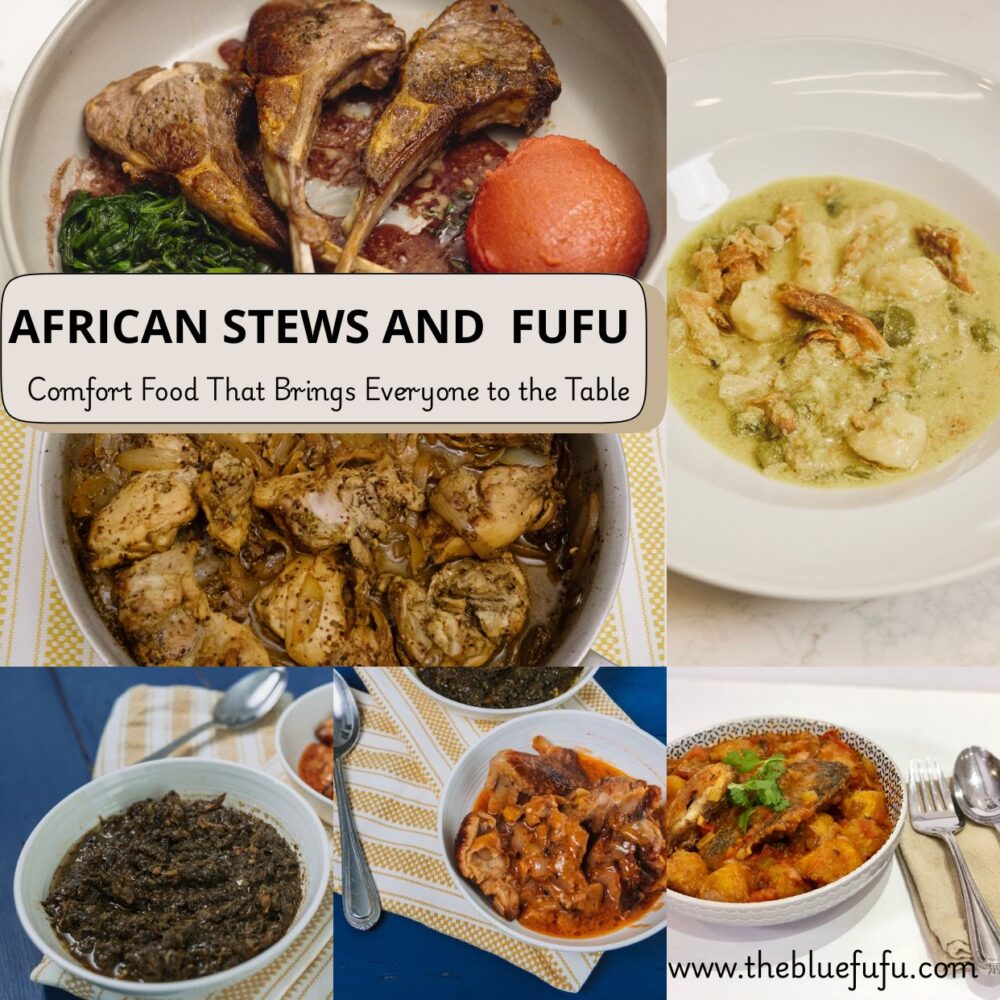
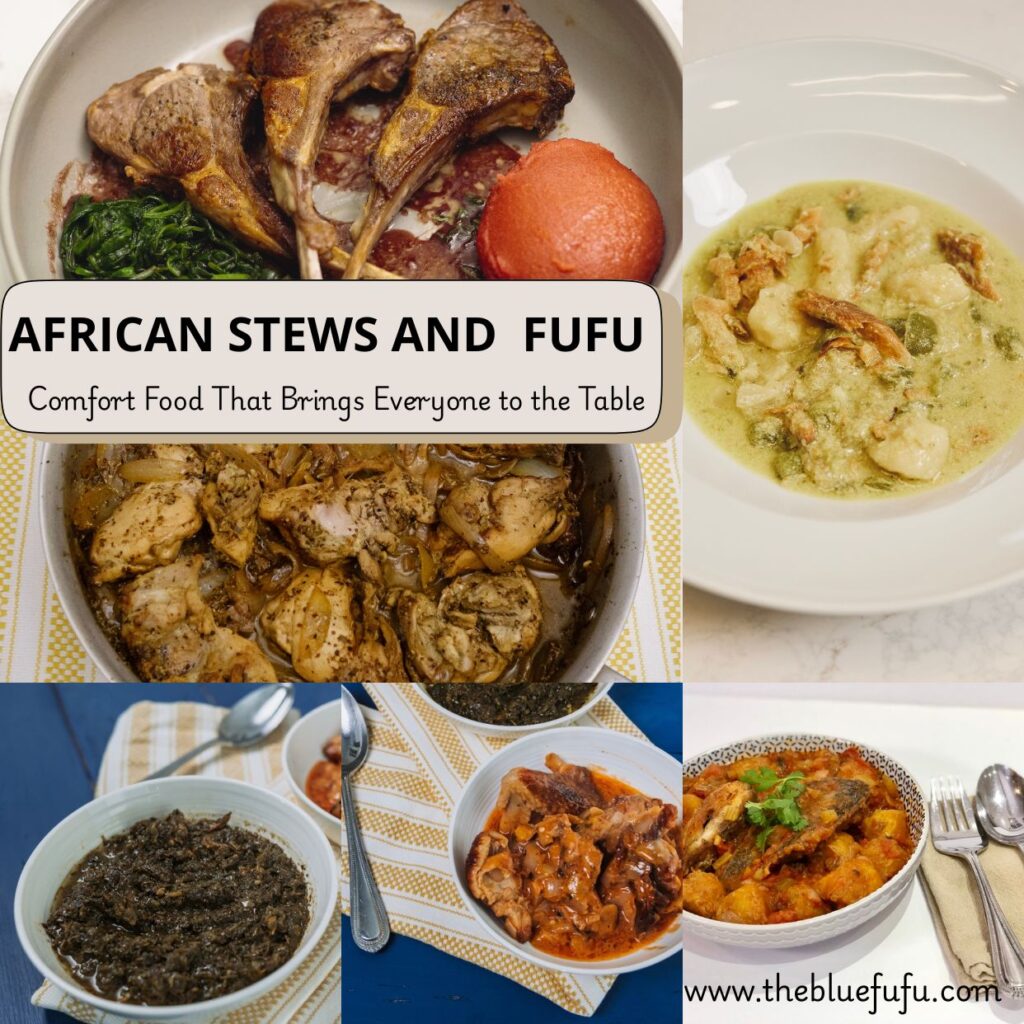
African Stews and Fufu: Food That Feels Like Home
African stews and fufu are not just recipes—they are memories, rituals, and a way of gathering people around the table. Across the continent, stews simmer slowly while fufu is stirred, pounded, or rolled with care. These meals are never rushed. They are cooked with intention and eaten with presence.
Whether you grew up eating fufu every week or you are just discovering African food for the first time, African stews and fufu offer something universal: warmth, nourishment, and comfort. This pairing has survived generations not because it is trendy, but because it works—flavor-wise, culturally, and emotionally.
In this guide, we’ll explore what fufu is, why stews and fufu belong together, the most popular African stews, how to pair them properly, and how to serve them in both traditional and modern ways. Think of this as your starting point—your home base—for African comfort food.
What Is Fufu?

Fufu is a staple food found across many African regions, made from cooked starches that are transformed into a smooth, dough-like consistency. It is mild in flavor and intentionally neutral, designed to carry rich stews rather than compete with them.
Depending on the country and tradition, fufu can be made from:
- Cassava
- Plantains
- Yams
- Corn (maïs)
- Or a blend of these ingredients
Fufu is not chewed the way bread is. Instead, small portions are pinched off, shaped, and used to scoop stew. This method of eating slows you down and makes the experience more tactile and grounding.
Why African Stews and Fufu Are Meant to Be Together
African stews are bold, layered, and deeply seasoned. Fufu is soft, comforting, and grounding. Together, they create balance.
Stews bring:
- Rich sauces
- Warm spices
- Long-simmered depth
Fufu brings:
- Soft texture
- Neutral flavor
- Comfort and structure
This pairing ensures that no flavor is overpowering. Every bite is cohesive, satisfying, and deeply comforting. It’s a system that has worked for centuries—and continues to work beautifully today.
A Brief Cultural Context: More Than a Meal

In many African households, we serve stews and fufu communally. A large bowl of stew sits at the center of the table, surrounded by portions of fufu—an opportunity to share meals, exchange stories, and slow time down.
This style of eating reinforces connection. It’s not about plating perfection; it’s about togetherness. Even today, whether served traditionally or plated individually, African stews carry that same spirit of community.
Popular African Stews Served with Fufu
African stews vary widely across regions, but they all rely on patience, layering, and bold ingredients. Below are some of the most beloved stews served with fufu.
Goat Meat Stew with African Basil
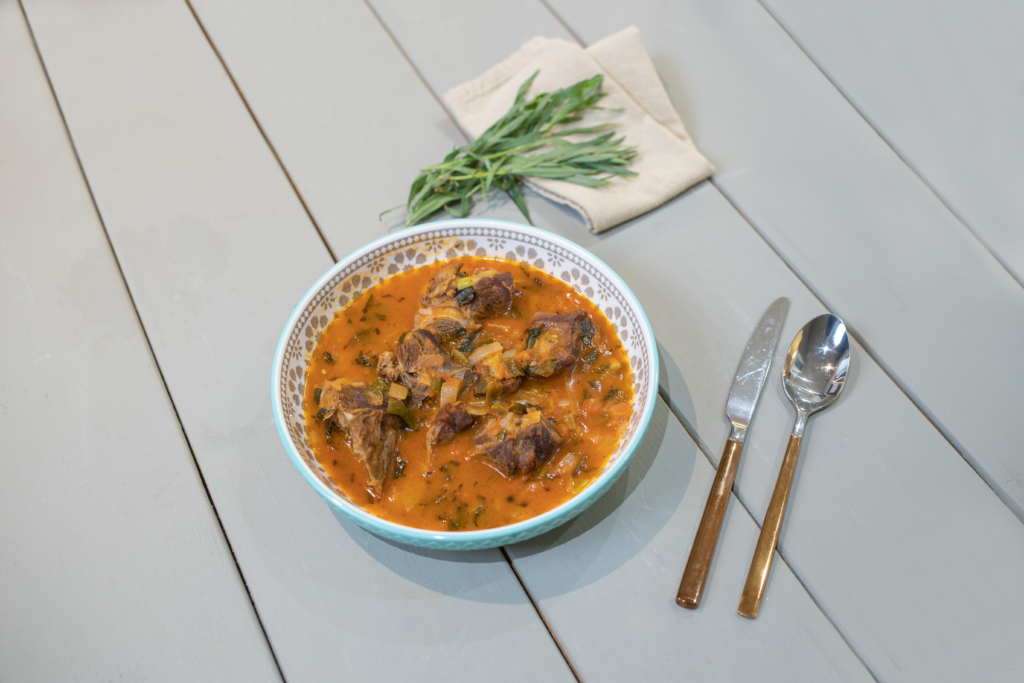
We deeply cherish across many African cultures, especially for celebrations and special gatherings. When cooked slowly, goat meat becomes tender, rich, and full of character.
African basil adds an aromatic, slightly peppery note that elevates the stew and gives it depth without heaviness. This stew pairs beautifully with cassava-based or red fufu.
Goat Meat Stew with African Basil
Cassava Leaves Stew (Pondu)
Cassava leaves stew—also known as pondu—is a Central African classic. Made from finely pounded cassava leaves, this stew is creamy, earthy, and deeply nourishing.
Its richness pairs perfectly with soft fufu, making it one of the most iconic African comfort dishes.
Chicken Stews
Chicken stews are approachable, versatile, and perfect for everyday meals. Light yet flavorful, they are often seasoned with onions, tomatoes, and warm spices.
This type of stew pairs beautifully with plantain fufu or classic white fufu and is a great entry point for those new to African cooking.
Chicken yassa, Chicken thighs with coconut milk, Chicken with peanut butter sauce.
Fish Stew
Fish stews are lighter but no less flavorful. Often made with tomato-based sauces or palm oil, they are perfect for warm-weather meals and pair beautifully with fufu or boiled plantains.
What Makes African Stews So Flavorful?
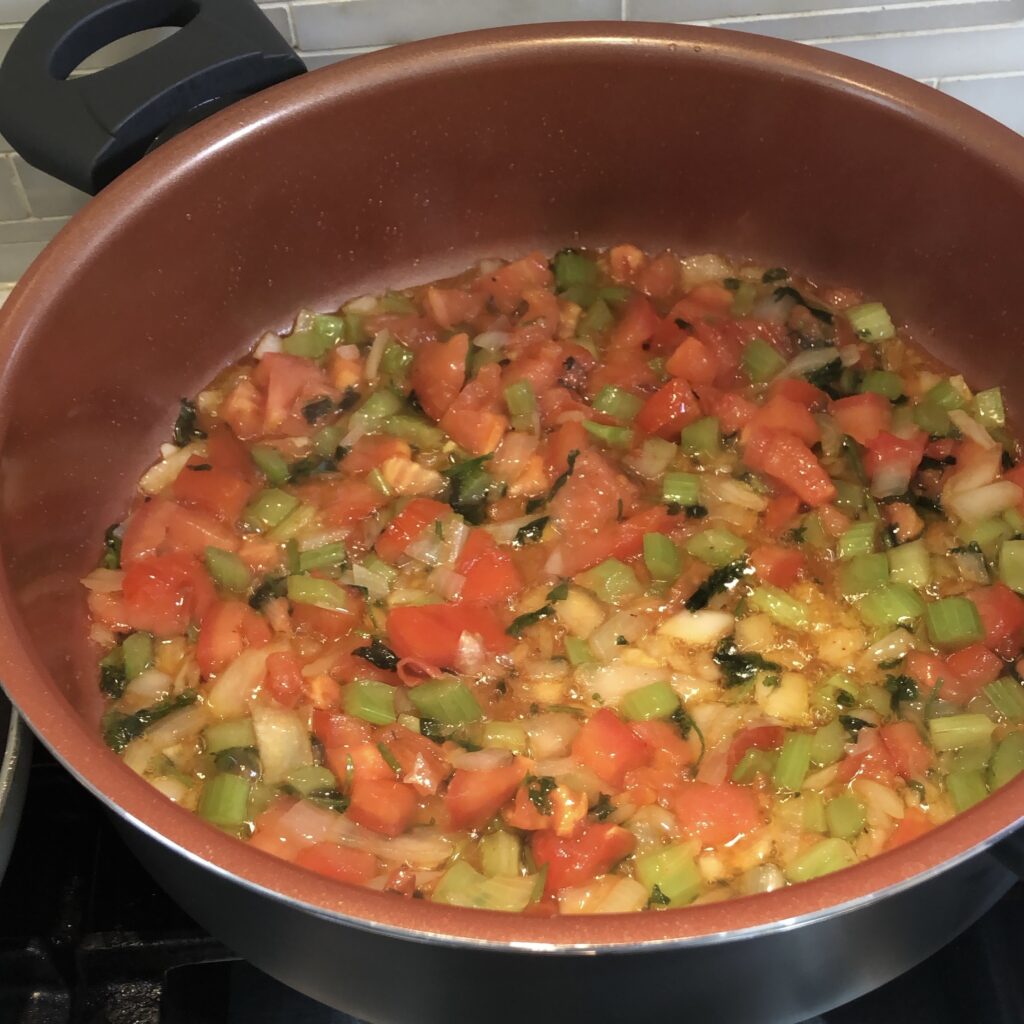
African stews rely on technique rather than shortcuts. Flavor is built slowly and intentionally.
Key elements include:
- Onions cooked until deeply fragrant
- Tomatoes or palm oil for richness
- Fresh herbs like African basil
- Time—allowing ingredients to simmer and meld
This approach creates food that feels soulful rather than heavy.
Choosing the Right Fufu for Your Stew
Not all fufu pairs the same way with every stew. Choosing the right one enhances the entire meal.
- Red fufu works beautifully with bold stews like goat meat or palm-oil-based sauces
- Cassava fufu complements creamy stews like cassava leaves
- Plantain fufu adds subtle sweetness that balances savory dishes
How to serve African stews?
We traditionally serve African stews family style:
- Stew in a large bowl or pot
- Fufu rolled into smooth portions
- Everyone eats together
This encourages conversation and connection, making the meal about more than just food.
Serving African Stews in a Modern Way
Modern serving doesn’t mean abandoning tradition—it simply means adapting it.
Ideas:
- Individual bowls for guests
- Smaller fufu portions for beginners
- Simple sides like sautéed greens
This makes African stews approachable while still honoring their roots.
African Stews and Fufu for Holidays and Gatherings
African stews are perfect for holidays because they:
- Can be made ahead
- Feed a crowd
- Taste even better the next day
Whether it’s Christmas, Thanksgiving, or a family celebration, stews and fufu bring warmth and generosity to the table.
Tools That Make Cooking African Stews Easier
A few kitchen staples make a big difference:
- Heavy-bottomed pots
- Wooden spoons
- Blenders for sauces and herbs
I keep these essentials in my kitchen and share them in my Amazon storefront for easy access when cooking African dishes at home.
How to Introduce African Stews to New Guests
If you’re serving African stews to guests for the first time:
- Explain how to eat fufu
- Offer forks and knifes as an option
- Keep portions approachable
Food should feel welcoming, not intimidating.
Recipes to Explore Next
If you’re ready to cook, here are a few recipes from the blog that pair beautifully with this guide:
- 👉 Goat Meat Stew with African Basil
- 👉 Red Fufu Recipe
- 👉 Amaranth leaves stew
- 👉 Puff puff recipe
- 👉 Cassava Gnocchi with Egusi
Final Thoughts: A Table Rooted in Tradition
African stews and fufu are not about perfection. They are about patience, warmth, and intention.
They remind us to slow down, gather around the table, and cook with love. Whether you’re recreating childhood memories or discovering African food for the first time, these dishes invite you in — one comforting bite at a time.
The goat meat stew looks amazing. I grew up on goat stew living in the south, so this looks perfect to me.
I’m going to try all of these! I love the photos and descriptions, and I’m a big fan of trying new types of foods. Yay!
I am so happy to read this! You won’t be disappointed!
This was such an interesting read! Cassava and plantain fufu sounds right up my street!
They are so delicious!
I heard lot about fufu, thanks for giving more information on it, I appreciate it , Thanks.
You are welcome!